


Supported Living
We provide flexible, structured supported living services based on individual needs and goals. Support may include: Support with daily living skills such as cooking, cleaning, budgeting, and routines Support to attend appointments and engage with health, education, or social services Support to maintain personal wellbeing and emotional stability Support to build confidence, independence, and life skills over time We work alongside individuals rather than doing things for them wherever possible, encouraging independence and personal growth.

Tenancy Sustainment
We support individuals to successfully maintain their accommodation and fulfil their tenancy responsibilities. This may include: Support with understanding tenancy agreements and responsibilities Support with rent payments, utilities, and household management Liaison with landlords, housing providers, and local authorities Support to prevent eviction, arrears, or placement breakdown This helps individuals remain safely housed and reduces the risk of homelessness or crisis placements.

Community Engagement
We support individuals to become active and connected members of their communities. This may include: Support to access education, training, or volunteering Support to engage in hobbies, social activities, or community groups Support to build and maintain friendships and social networks Support to develop confidence navigating local services and environments Community engagement supports emotional wellbeing and reduces isolation.

Medication Prompting
We provide medication prompting only — reminding individuals to take prescribed medication at the appropriate time.
We do not:
Administer medication
Provide nursing or clinical care
Deliver personal care services
This ensures our service remains within a supported living (non-regulated) model.
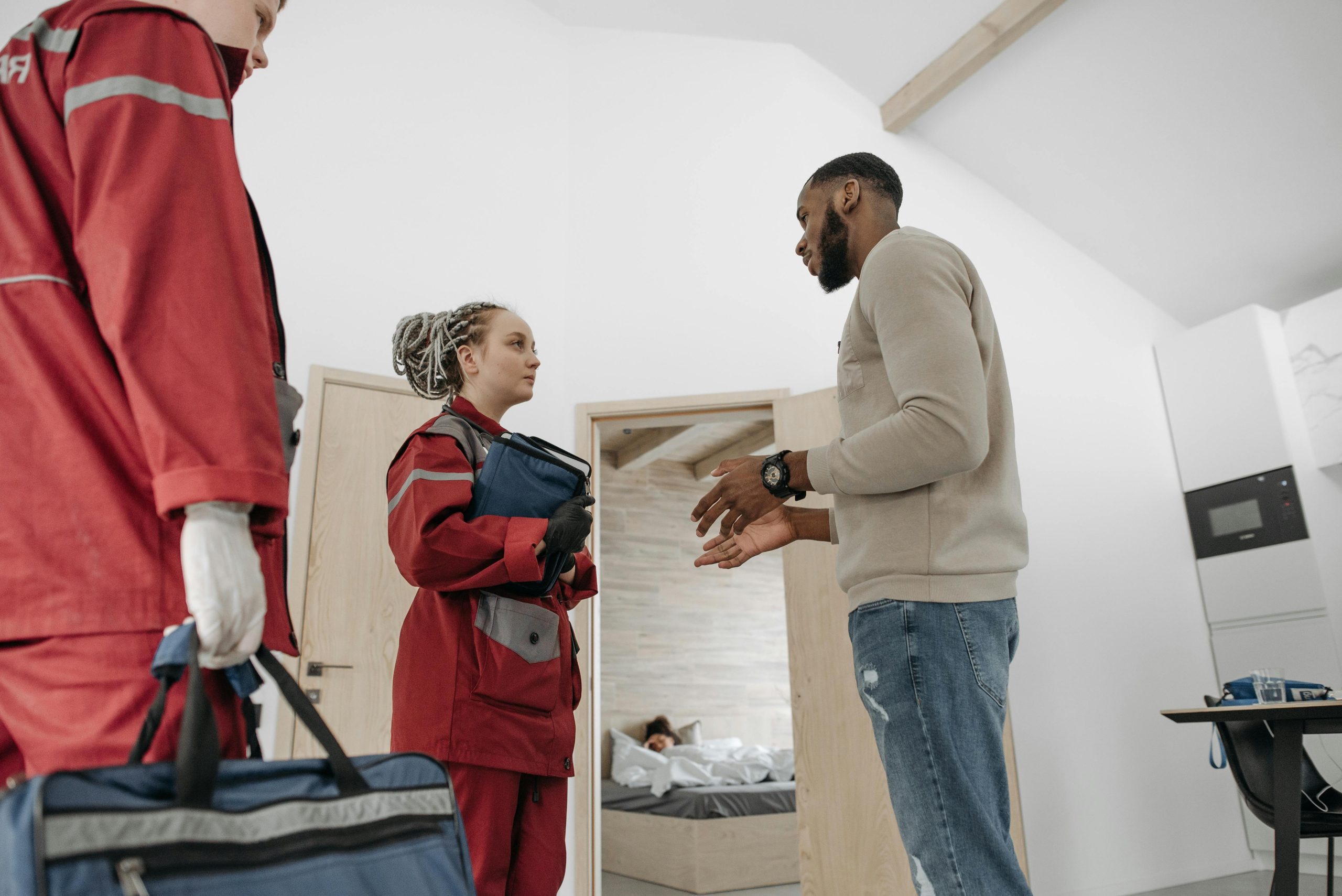
Support Levels
Support is tailored following an assessment and reviewed regularly.
We offer:
Core Support: Lower-level, flexible support for individuals with greater independence.
Enhanced Support: Increased daily support for individuals requiring more structure or supervision.
24-Hour Support: Around-the-clock support for individuals with higher needs or risks.
Support packages can increase or reduce over time depending on individual progress and needs.